
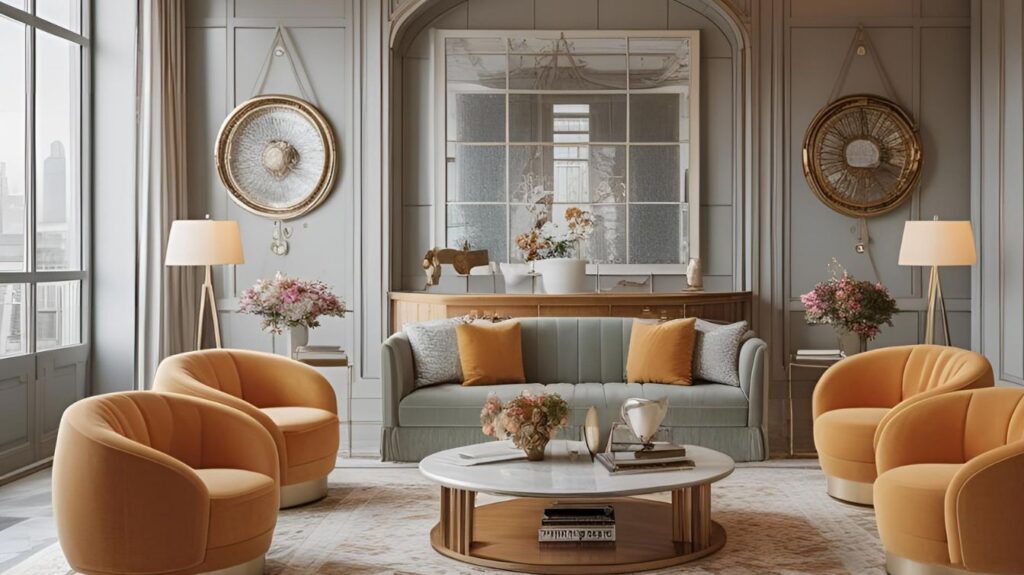
At RS Architects, we believe that the spaces you inhabit profoundly shape your life—impacting emotions, cognitive performance, and overall well-being. Modern research and practice in interior architecture reveal that well-designed interiors are not merely visually pleasing: they are powerful tools for promoting mental health, emotional balance, and even physical comfort.
Beyond Aesthetics: The Science of Interior Spaces
Environmental psychology teaches us that our relationship with interior spaces extends far beyond surface beauty. Elements such as lighting, color, spatial arrangement, acoustics, materials, and access to nature combine to influence our brains and emotions in ways that can be either uplifting or detrimental.
- Lighting: Natural light is a crucial ingredient in interiors that enhance well-being. Sunlit rooms have been linked with better mood, increased energy, and improved sleep quality. Conversely, dimly lit, enclosed spaces often increase stress and can contribute to feelings of depression or lethargy.
- Color Psychology: The palette of an interior can shift the tone of a space, from calming blues and greens that reduce anxiety, to warm tones like yellows and oranges that inspire optimism and creativity. The right color choices can create an atmosphere that matches the intended purpose—relaxation, focus, or social connection.
- Spatial Planning & Layout: Open, well-organized layouts enhance comfort and reduce feelings of confinement, while clutter and cramped environments raise stress levels. Thoughtful zoning and spatial organization foster a sense of flow and control in daily life.
- Geometry & Form: The shape of a room can even affect mood and creativity. For example, curved environments have been shown to lower physiological stress and promote positive affect compared to strictly rectangular ones.
- Materials & Texture: Natural materials like wood, stone, and indoor greenery (biophilic design) reduce stress and boost mood by connecting people with nature. These choices also support better air quality and sensory comfort.
- Acoustics: Quiet, acoustically comfortable spaces foster psychological safety. Poor acoustics or persistent noise can feed irritability, anxiety, and fatigue, while good acoustic design promotes a restorative and calm atmosphere.
Well-being by Design
Purposeful design supports your health at every level:
- Emotional Comfort: Rooms designed for clarity and comfort help occupants feel safe, welcome, and at ease. Personalizing spaces with artwork, meaningful objects, or family photos fosters a sense of belonging and control5.
- Social Connection: Flexible spaces that blend privacy and togetherness enable both energetic gatherings and restorative solitude, supporting social well-being.
- Restoration and Productivity: Homes and workplaces that embrace nature, natural light, and ergonomic planning promote not just recovery from stress, but heightened creativity and focused work1045.
The RS Architects Approach
For RS Architects, understanding the psychology of space shapes every project. We carefully balance aesthetics and science to create interiors that are:
- Uplifting and calming by design.
- Easy to use and navigate.
- Supportive of both privacy and connection.
- Deeply personal, reflecting your tastes while enhancing comfort and health.
From the arrangement of furniture and the openness of a living room to the placement of windows and the selection of a calming color palette, every architectural decision is made with your well-being in mind.
Experience philosophy-led architecture where every detail supports a healthier, happier, and more inspired life. Contact RS Architects to discover how great design shapes not just your home, but your everyday well-being.